What is the Best Juicer on the Market?
Depending on your purpose of juicing you may find a certain type of juicer more favorable than the other. Centrifugal juicers are fast, it can literally turn your produce into glass of juice in mere seconds. If you prefer drinking your juice straight from the juicer, just like Joe Cross in Fat Sick and Nearly Dead film, then this type of juice extractor would be your perfect match. If you’re into juice fasting, or if you simply want to juice in batches to save time then your juice should have a maximum shelf life of 72 hours, only possible with cold press juicers.
You don’t need to spend more than $1000 to get a decent juicer. Higher priced juicers are not necessarily good juicers.
If you want to skip this epic guide, go check out these cold press juicers. Without any doubt they are the best juicers in the market today. If you are new to juicing however, I highly recommend reading up to the last paragraph. It will give you all the information you need in choosing the perfect machine for your juicing needs.
Types of Juicers
There are three main types of (electric) juicers—centrifugal, masticating, and twin gear juicers.
Centrifugal Juicers
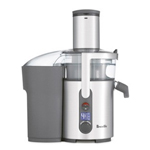
Centrifugal juicers are also called high speed juicers. It separates pulp from the produce through grinding (one stage process) with the help of a motor that can revolve up to 15,000 RPM, fast enough to juice a whole apple in a few seconds. However, oxidation can be a trade off destroying some of the nutrients in the process resulting in a shorter juice shelf life (24 hours).
Here’s a list of centrifugal juice extractors that you can choose from.
Masticating Juicers
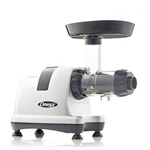
Horizontal Masticating Juicer
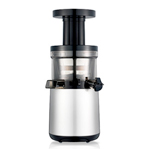
Vertical Masticating Juicer
Masticating juicers are also known as slow juicers or cold press juicers. Using a dual stage juice extraction process, it crushes the produce into tiny bits then it squeezes the pulp as it passes along the shaft of the auger against the juicing screen. While juice extraction can be slow at 40-80 RPM, minimal oxidation occurs, thus keeping most of the nutrients intact giving your juice a 72 hour shelf life. In addition masticating juicers have two designs, vertical and horizontal, vertical masticating juicers are more compact which can be an advantage if you have a limited kitchen space.
Here’s a list of masticating juice extractors that you can choose from.
Twin Gear Juicers
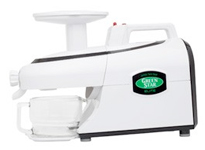 Twin gear juicers are also called triturating juicers which can also be classified as a slow or cold press juicer at 82-110 RPM max. It uses a three stage juice extraction process, it crushes then it squeezes the produce twice (1. as it passes along the along the cavity of the gears, 2. as the gears rotate inwardly). When it comes to design it’s very similar with horizontal masticating juicers. Twin gear juicers have dual gear unit with a very narrow clearance. This feature makes it the most efficient juice extractor perfect for juicing wheatgrass and pine tree needles. Juice extracted from triturating juicers also last for 72 hours.
Here’s a list of twin gear juice extractors that you can choose from.
What is a cold press juicer then?
Cold Press Juicers
Cold press juicers are simply juicers which ideally do not produce heat, hence the word cold press and that includes both masticating and twin gear juicers. In reality all juicers produce some degree of heat but not hot enough to cause significant degradation of juice quality. Myth busted that is. Juice quality can be attributed to the amount of oxidation or breakdown of nutritional value from your juice. The faster the RPM the more oxidation occurs. All cold press juicers are slow juicers, and with slower RPM there will be minimal oxidation as well.
Centrifugal VS Masticating VS Twin Gear Juicers
| Type | Centrifugal | Masticating | Twin Gear |
|---|---|---|---|
| Nutrient Retention | Moderate | High | Very High |
| Juice Shelf Life | 24 Hours | 72 Hours | 72 Hours |
| Can Juice | Hard Produce, Citrus Fruits, Soft Fruits | Hard Produce, Citrus Fruits, Soft Fruits, Leafy Greens, Nuts & Beans | Hard Produce, Citrus Fruits, Soft Fruits, Leafy Greens, Nuts & Beans |
| Usability | Easy | Medium | Hard |
| Noise Level | High | Low | Low |
| Speed | Fast | Slow | Slow |
| Warranty | 1-3 Years | 10-15 Years | 5-15 Years |
| Price | Affordable | Mid-priced | Expensive |
In a nutshell that’s the difference between centrifugal, masticating, and twin gear juicers. Basically, cold press juicers (masticating & triturating) excel in nutrient retention and versatility, you can even make soy and almond milk with it but the price is something that you should consider.
Now that you know the main types of juicers let’s move on to the less popular types of juicers—functional juicers and hydraulic juice presses. However, I’m quite sure you won’t be needing any of these if you are going to purchase a cold press juicer.
Functional Juicers
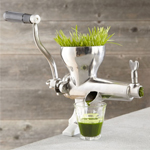
Wheatgrass Juicer
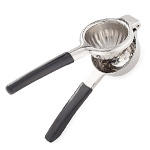
Manual Citrus Press
Electric Citrus Press
Juicers which serves a single purpose are functional juicers, this include citrus squeezers and wheatgrass juicers. For processing small quantities of citrus fruits you’ll only need a handheld press but for juicing large quantities, electric citrus press will come in handy. Wheat grass juicers typically look like a horizontal masticating juicer without the motor. Your hand will dictate the RPM and I guess in terms of efficiency nothing will beat a human being. If you’re only juicing wheatgrass, it would be ideal to get a dedicated wheatgrass juicer.
Hydraulic Juice Press
Hydraulic juice press is the most unconventional type of juicer and probably the most difficult to use and maintain. Chances are you’re familiar with a hydraulic jack, a tool that is commonly used for lifting a car. That particular technology was the exact mechanism used in this type of juicer. As you pump the hydraulic press, it applies incremental pressure to your produce pushing the juice out of the pulp. There’s virtually no heat and oxidation and this means that even though it’s not type of juicer anyone will buy, the juice quality is comparable or even a whole lot better than masticating and triturating juicers. If you’re a doomsday prepper, this is probably a good backup juicer in case of massive solar flares. In that event all electronic equipment will fail, but it won’t stop you from juicing.
Here’s a tip, if you want to take advantage of a juice’s full nutritional value, you need to drink it right away or at least within 15 minutes. Or if you want to store it you also have a 15 minute window of putting it in an airtight jar and keeping it in a cool container away from sunlight and heat. Following this tip will give your cold pressed juice a shelf life of up to 72 hours. Juice extracted from a fast juicer juicer on the other hand should be consumed within a day.
What to Look for When Buying a Juicer?
Efficiency
As cliche as it may sound, you always get what you pay for. Less expensive juicers are also less efficient in extracting the most juice from your produce. You will end up buying more fruits and vegetables and in the long run you will spend more than the initial cost of buying a juicer. Investing in a premium quality juicer upfront will pay for itself over time.
Easy to Use
If you are always on the go, preparing your juice shouldn’t take much of your time. Juicers with lesser parts and with wider feeding chute will minimize your preparation and cleanup time. Compact juicers such as vertical masticating juicers and some centrifugal juicers are easier to use than horizontal type juicers.
Easy to Clean
Juicers without pulp ejection are the most difficult to clean and the most inefficient as the same time. It doesn’t make any sense if you will purchase a juice maker that will take more time to clean than juicing itself. Also take into consideration if a juicer is dishwasher safe, this will save a lot of time on your part.
Nutrient Retention
High RPM sucks up a lot of air into the juicing chamber promoting oxidation or simply the breakdown of nutrients from your juice. If you have used a centrifugal juicer before you’ll notice that the end product tend to be too frothy, and most of the models do have a froth separator. Frothing is a sign of oxidation and with centrifugal juicer you’ll only get 24 hour shelf life because of this exact reason. This wouldn’t be an issue however if you are a type of juicer who would drink your juice right away but if you’re the type of person who would rather prepare juice for three day consumption to save time then pick a machine that will give you a maximum shelf life of 72 hours.
Pulp Ejection
Entry level centrifugal juicers collect the pulp in an internal basket, like my first juice press. If you are juicing in large quantities external pulp ejection system can save you from the agony of constantly stopping your juicing machine, opening it up, and emptying the basket. External pulp collection system allows you to juice continuously.
Versatility
Some juicers can’t process leafy greens efficiently and that’s the case with centrifugal juicers, it’s only limited to juicing hard produce, soft fruits, and citrus fruits. There will be no issues with it if your juicing recipes are more on hard fruits and vegetables as you can add small quantities of green leafy vegetables. However if you are a big fan of green juices pick a juicer which can efficiently process leafy greens. It’s going to be a huge bonus if it can handle wheatgrass and help you make almond and soy milk. That will definitely add variety to your list of healthy beverages.
Feeder Tube Size
Dicing your fruits and vegetables in a size that would fit your feeding chute is time consuming. If you want to cut your preparation time, pick a juicer with a wide feeding tube, big enough to accommodate a whole apple, a whole carrot, cucumber, or any produce for that matter.
Variable Juicing Speed
This would allow you to juice wider varieties of fruits and vegetables. Slower RPM are designed for juicing soft fruits like mangoes, grapes, etc.; while high speeds are good for firmer produce like carrots, beets, apple, etc.
Dimensions
Juice extractors come in different shapes, colors, and different sizes. Compact juicers are ideal for those who have limited kitchen space, it’s easy to store, and probably don’t have much parts to clean.
Peripherals
A model with a long cord will give you more flexibility, unless you have a power outlet near your counter, this wouldn’t be an issue.
Noise
Though this is not a major factor, some people won’t be happy with a very noisy juicer. You wouldn’t want to wake someone up in the middle of your juicing routine.
Juice Container
Most juicers come with a complimentary juice container designed specifically for the height of the spout to avoid splashes. If it doesn’t come with a juice container, juicing can be a messy pursuit.
BPA Content
BPA or Bisphenol A is a toxic substance found in plastic that has been linked to several diseases including cancer. Though FDA released a report that the levels of BPA present in plastic and cans are safe for food consumption it’s still advised to pick BPA free over non-bpa products. With juicers only Super Angel offers a 100% BPA free construction boasting its high grade stainless steel build. However, I’d still pick a cheaper BPA free alternative over an expensive stainless steel juicer.
Brand Reputation
Some juicing manufacturers excel at customer service while others are something that you need to watch out for. Please do your due diligence before sealing the deal with your favorite merchant. At least make sure that the company has a good reputation of honoring warranty claims and provides stellar customer support.
Warranty
Warranty is a no brainer. You’ll only get 1 year warranty with centrifugal juicers while both masticating and twin gear juicers can offer up to 15 years warranty. Some manufacturers are vague about their warranty, be sure to verify what’s included and what’s not included in their warranty statement before checking out.
Price
Last but not the least, buying a juicer shouldn’t cost you your arm and leg. If you’re just starting out I would highly recommend high speed juicers to see if juicing can be integrated into your lifestyle. Great centrifugal juicers cost from $150 up to $300. If you’re not new to juicing perhaps it’s time for an upgrade. You can get a good masticating juicer between $180 and $400. Unless you have the budget, you can go for a stainless steel triturating juicer.
Your turn…
Now that you know the different types of juicers and what to look for when buying a juicer, your knowledge is more than enough to pick a winner. Just in case you still have some doubts, you can contact me for any questions juicing related or you can also check all the resources I curated to help you find the ultimate juicer below.
Best Seller List – This is the most up to date list of the best-selling juicers updated hourly courtesy of Amazon.com.
Juicer Reviews – List of all the juicers I’ve been reviewing.
Best of Best Juicers – This is my list of the best juicer in each category, top ten juicers overall and best rated juicers (4.5 stars above).
Juicer Comparison Table – This tool will help you compare and sort over 50 juicers side by side according to price, rating, rank, juice quality, versatility, usability and warranty.
Best Cold Press Juicers – Top 10 cold press juicers list and an in-depth guide about low heat juicing machines.
Best Centrifugal Juicers – List of the top 10 centrifugal juicers and an in-depth guide about fast juice extractors.
Best Masticating Juicers – Top 10 masticating juicers list and an in-depth guide about slow juice extractors.
Best Twin Gear Juicers – List of the top twin gear juicers and an in-depth guide about triturating juicers.